
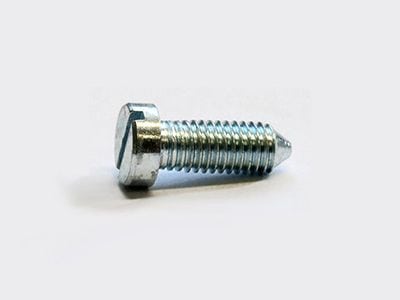
BSC Threads and Their Conversion to UNF: A Key Chapter in Motorcycle Engineering
The history of British motorcycles is deeply intertwined with the evolution of engineering standards, including the threads that held these machines together. One such notable standard was the British Standard Cycle (BSC) thread, which played a critical role in the development and maintenance of motorcycles for decades. However, as global manufacturing trends shifted and engineering standards modernized, the transition to Unified National Fine (UNF) threads marked a significant turning point.
What Are BSC Threads?
The British Standard Cycle (BSC) thread, also known as Cycle Engineers’ Institute (CEI) thread, was a specialized threading standard designed for use in bicycles, motorcycles, and other light mechanical applications. Established in the late 19th century, BSC threads were characterized by:
- Thread Angle: A 60° angle, which distinguished it from the 55° thread angle of Whitworth threads.
- Fine Pitch: Smaller pitch sizes for better precision and reduced vibration.
- Compatibility: Designed specifically for applications requiring lightweight, high-strength fasteners, making them ideal for two-wheelers.
BSC threads became the de facto standard for British motorcycle manufacturers such as BSA, Norton, Triumph, and others during the early 20th century. Their widespread adoption ensured consistency across the industry, making maintenance and repairs more straightforward.
The Rise of Unified Threads
By the mid-20th century, global trade and the Second World War highlighted the need for standardization across industries. The Unified Thread Standard (UTS) emerged as a collaboration between the United States, Canada, and the United Kingdom to unify threading systems. Two key variants of UTS were:
- Unified National Coarse (UNC): Used for general-purpose applications.
- Unified National Fine (UNF): Preferred for automotive and precision engineering due to its finer pitch.
UNF threads offered several advantages over BSC threads, including:
- Interoperability: Simplified manufacturing and repair across international markets.
- Strength: Improved thread engagement and holding power.
- Consistency: Aligned with modern engineering practices.
The Transition from BSC to UNF
The transition from BSC to UNF threads in British motorcycles occurred gradually during the 1960s and 1970s. This change was driven by several factors:
- Standardization Pressures: As American motorcycles and automobiles dominated global markets, British manufacturers faced pressure to adopt unified standards to remain competitive.
- Cost Efficiency: Adopting UNF threads allowed British manufacturers to source components from a wider range of suppliers at reduced costs.
- Technological Advancements: Modern machining techniques and materials made UNF threads more practical for high-performance applications.
Notably, iconic manufacturers such as Triumph, Norton, and BSA began incorporating UNF threads into their designs, especially in the later models of the 1960s. However, the transition was not immediate, and many motorcycles from this era featured a mix of BSC and UNF threads, creating challenges for mechanics and restorers.
Impact on Restoration and Maintenance
The shift from BSC to UNF threads has had lasting implications for enthusiasts and restorers of classic British motorcycles:
- Thread Identification: Determining whether a component uses BSC or UNF threads is crucial when sourcing replacements or performing repairs.
- Specialized Tools: Mechanics often require both BSC and UNF thread gauges and taps/dies to work on vintage bikes.
- Parts Compatibility: Restorers must carefully match threads to avoid damaging components or compromising safety.
Fortunately, suppliers specializing in vintage motorcycle parts, such as Andover Norton and Classic bike Spares Australia, continue to offer components and tools for both BSC and UNF threads, ensuring that these classic machines remain roadworthy.
Legacy of BSC Threads
Despite being largely phased out, BSC threads remain a testament to the ingenuity of early British engineering. They reflect a time when British motorcycles set the standard for innovation and performance. The eventual adoption of UNF threads illustrates the industry’s adaptability and commitment to meeting the demands of a changing world.
For motorcycle enthusiasts, understanding the history and nuances of threading standards like BSC and UNF adds another layer of appreciation for the craftsmanship and engineering that went into creating these iconic machines. Whether restoring a pre-war BSA or tuning a 1970s Triumph Bonneville, these threads continue to connect riders to a rich legacy of motorcycling history.
Conclusion
The conversion from BSC to UNF threads is more than a technical milestone; it represents the evolution of an industry that sought to balance tradition with progress. As the tools and knowledge for working with both threading systems remain alive in the hands of skilled enthusiasts, the legacy of these standards endures in the timeless beauty of classic motorcycles.